
No. Local anesthesia ensures you feel no pain during the procedure. Mild soreness after surgery is common and managed with over-the-counter medication.
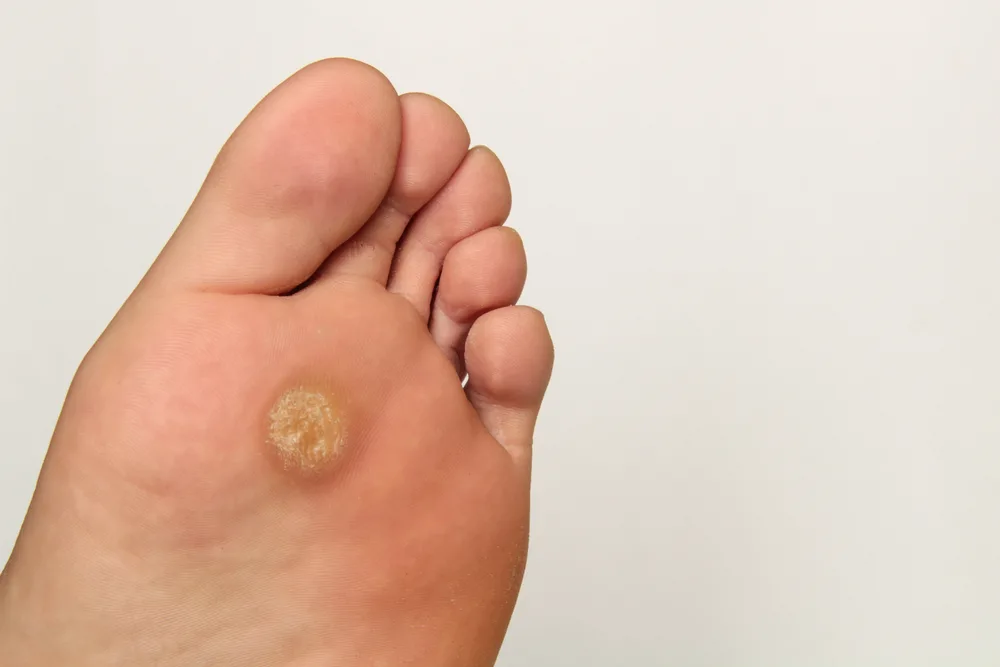
Expert podiatric correction for painful corns and calluses by Dr. Solomon
Corns may be small, but their impact on your comfort and quality of life can be significant. These hardened skin lesions develop as a result of persistent pressure or friction, typically from ill-fitting shoes or underlying foot deformities. While conservative care can offer temporary relief, minimally invasive corn removal surgery at Solomon Aesthetic Podiatry offers a permanent, precision-based solution tailored to both cosmetic and functional outcomes. Dr. Solomon’s approach is rooted in gentle technique, anatomical accuracy, and aesthetic consideration.
Corns are thickened areas of skin that form in response to repeated pressure or friction. Unlike calluses, which tend to be larger and spread out, corns are small, focused, and often painful. They may form on the tops or sides of the toes or between them. Corns are your body’s way of protecting against pressure, but over time, they can become a painful burden.
Corns are frequently associated with foot abnormalities such as hammertoes, bunions, or prominent joints. These structural imbalances create unnatural pressure points that lead to friction and thickened skin.
If left untreated, corns may become infected or ulcerated, particularly in patients with diabetes or poor circulation. That’s why timely intervention is essential.
While pads, shoe modifications, and creams may provide temporary relief, they often do not address the root cause. Corns can return again and again if structural issues are not corrected.
Minimally invasive corn removal surgery is an outpatient procedure designed to:
Dr. Solomon’s surgical technique requires only tiny incisions, making it a less invasive yet highly effective method for long-lasting relief and cosmetic improvement.
For patients who are active, on their feet all day, or simply tired of dealing with pain in certain shoes, this procedure can be life-changing.
Minimally invasive corn removal may be appropriate if you:
It’s important to note that corns can become deeper and more painful over time, as the thickened skin puts pressure on sensitive nerve endings underneath. Chronic corns can also alter your gait and cause pain in other areas of the body such as the knees, hips, or lower back.
Early intervention with minimally invasive surgery can prevent complications and restore mobility, comfort, and confidence.
Dr. Solomon performs minimally invasive corn removal in a sterile, in-office setting under local anesthesia. The procedure is customized based on the type, location, and severity of the corn as well as your underlying foot anatomy.
In many cases, surgery also involves correcting the bone structure that contributes to the pressure point. This can include smoothing a bony prominence or adjusting a deformity such as a hammertoe.
Recovery is typically swift due to the minimally invasive approach. Dr. Solomon provides detailed instructions to ensure optimal healing and lasting results.
Most patients report feeling significantly more comfortable within days. Cosmetic results continue to improve over the following weeks.
You may be a good candidate for corn removal surgery if you:
During your consultation, Dr. Solomon may recommend addressing related foot issues in the same visit:
By correcting the source of excess pressure, Dr. Solomon helps reduce the chance of new corns developing in other areas.
Patients who undergo minimally invasive corn removal often report:
We frequently hear patients say that the surgery gave them their life back—free from daily pain, embarrassment, or the limitations of restrictive footwear.
Dr. Solomon and the team at Solomon Aesthetic Podiatry are committed to ensuring not only technical excellence but also a supportive, patient-focused experience.
If you’re dealing with painful corns or calluses that limit your lifestyle or shoe choices, it may be time to consider a permanent solution. Solomon Aesthetic Podiatry is conveniently located at 433 North Camden Drive, Suite 610 in Beverly Hills. We are open Monday through Sunday, 9:00 AM to 9:00 PM, offering flexible hours to fit your schedule.
Call us now: (310) 876-5744
Take the first step toward comfort and confidence today with a personalized consultation with Dr. Nathan S. Solomon, DPM.
No. Local anesthesia ensures you feel no pain during the procedure. Mild soreness after surgery is common and managed with over-the-counter medication.
Not likely. The source of the pressure (often a bone or deformity) is addressed, greatly reducing the chance of recurrence.
Most patients resume wearing normal shoes within 2–3 weeks.
The incisions are very small and placed strategically. Scarring is minimal and often invisible over time.
Yes, depending on your health and the severity of the corns, bilateral procedures can often be done safely.
Diabetic patients will be carefully evaluated. If appropriate, surgery can be done with close monitoring to ensure safe healing.
Most patients enjoy permanent results when underlying causes are corrected. Proper footwear and foot care help prevent new corns.
Meet with Dr. Solomon for a complimentary 15-minute consultation to discuss your concerns and goals. Discover personalized, expert podiatric care focused on comfort, precision, and long-term results.